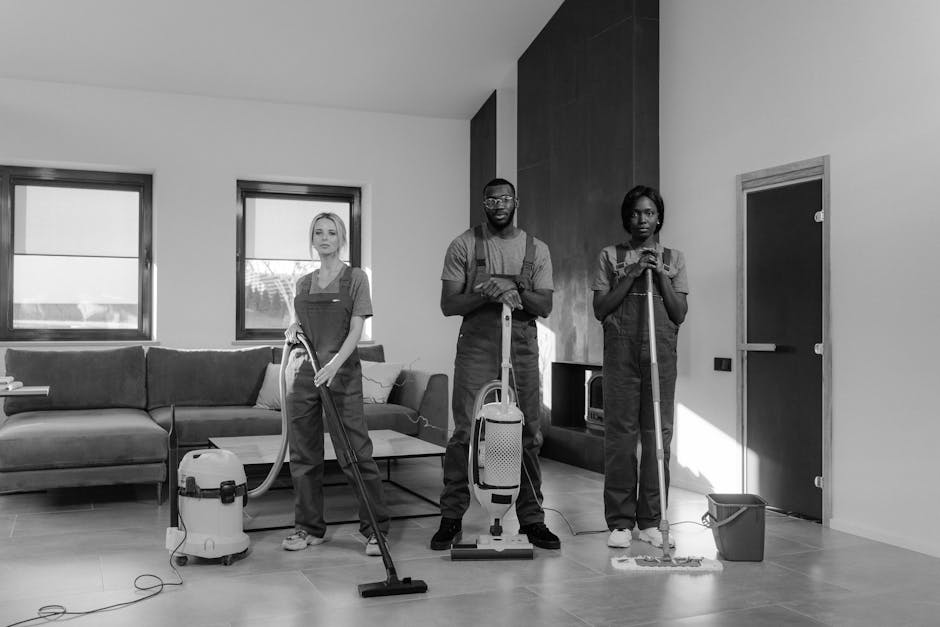
Top end of tenancy cleaning on Hale Lane Edgware
If you are moving out of a flat or house on Hale Lane Edgware, end of tenancy cleaning can feel like one of those jobs that looks manageable at first and then suddenly eats your whole weekend. Skirting boards, oven grime, taps, limescale, carpets, windows, the lot. And if a landlord or letting agent is expecting the place to be returned in a polished, inspection-ready condition, the details matter more than most people realise. This guide breaks down Top end of tenancy cleaning on Hale Lane Edgware in plain English: what it includes, how it works, what to prioritise, and how to avoid the classic last-minute mistakes that cause headaches later.
Whether you are a tenant trying to protect your deposit, a landlord preparing for new occupants, or a mover who just wants the place to look and feel right before handover, you will find practical steps here that make the process much less stressful. No fluff. Just the stuff that helps.
- Quick practical summary: focus on the areas that are usually checked most closely: kitchen, bathroom, floors, high-touch surfaces, and any visible marks.
- Best result: a thorough, room-by-room clean done after removals and before final inspection.
- Most common risk: leaving behind stains, grease, dust, or limescale that were easy to miss in a rushed clean.
Table of Contents
- Why Top end of tenancy cleaning on Hale Lane Edgware Matters
- How Top end of tenancy cleaning on Hale Lane Edgware Works
- Key Benefits and Practical Advantages
- Who This Is For and When It Makes Sense
- Step-by-Step Guidance
- Expert Tips for Better Results
- Common Mistakes to Avoid
- Tools, Resources and Recommendations
- Law, Compliance, Standards, or Best Practice
- Options, Methods, or Comparison Table
- Case Study or Real-World Example
- Practical Checklist
- Conclusion
- Frequently Asked Questions
Why Top end of tenancy cleaning on Hale Lane Edgware Matters
End of tenancy cleaning is not just about making a property look tidy. It is about returning a home in a condition that matches reasonable moving-out expectations. On Hale Lane Edgware, where rental properties can turn over quickly and standards tend to be set clearly, a proper clean can make the difference between a smooth check-out and a frustrating back-and-forth over minor issues. That is the honest truth of it.
Let's face it: when you have already packed boxes, changed addresses, cancelled utilities, and dealt with the chaos of moving, the last thing you want is a landlord pointing at grease on the extractor hood or dust along the window tracks. These are the details that often trip people up because they look small. But during an inspection, small becomes noticeable very fast.
A thorough end of tenancy clean also helps new tenants move into a property that feels cared for rather than simply vacated. That matters if you are a landlord, letting agent, or a tenant trying to leave on good terms. A clean property tends to photograph better, present better, and create a better first impression. Sounds obvious, but people still underestimate it.
In our experience, the best outcomes happen when cleaning is treated as part of the moving process, not as an afterthought on the evening before keys are handed back. The room will always look cleaner after furniture has gone. That is exactly why timing matters so much.
If you are comparing cleaning options, it can help to understand the difference between a standard tidy-up, a deep cleaning service, and a full end of tenancy cleaning service. They overlap, but they are not the same thing.
How Top end of tenancy cleaning on Hale Lane Edgware Works
A proper tenancy clean is usually structured room by room, with attention to the parts of the property most likely to be inspected. Rather than rushing through the home in a single sweep, professionals tend to work in a sequence that makes practical sense: dust first, clean surfaces, tackle grease and limescale, then finish floors and detail work.
For a typical property on Hale Lane Edgware, the process often starts after all belongings are removed. That makes the job quicker and far more effective. Cupboards can be opened fully, behind-appliance spaces can be accessed, and floors can actually be reached instead of half-cleaned around boxes and bags. Funny how that changes everything.
The main tasks usually include:
- Kitchen degreasing, including hobs, splashbacks, cupboard fronts, and extractor areas
- Oven cleaning where required, especially baked-on residue and grease
- Bathroom descaling, including taps, shower screens, tiles, toilets, and sinks
- Dust removal from skirting boards, light fittings, shelves, and ledges
- Interior window cleaning and frame wiping
- Floor vacuuming and mopping, with extra care around edges and corners
- Spot cleaning marks on doors, switches, handles, and visible walls where appropriate
Some homes need more than cleaning alone. If carpets, rugs, sofas, or mattresses have accumulated general wear, odours, or visible marks, those items may benefit from separate treatment such as carpet cleaning, rug cleaning, sofa cleaning, upholstery cleaning, or mattress cleaning. Not every property needs all of that, of course. But when the furniture is staying, these extras can make a real difference.
A final walkthrough is usually the last step. That is where you check the bits that are easy to miss: the top edge of a door frame, the underside of a sink, the outside of kitchen units, the inside of a fridge, or the smudges around handles. It is often these quiet little spots that catch the eye. Annoying, yes. Predictable, also yes.
Key Benefits and Practical Advantages
The most obvious benefit of top end of tenancy cleaning is a better chance of passing inspection without avoidable deductions or delays. But there are several practical advantages that are worth spelling out, because they affect the move itself, not just the final handover.
- Less stress on moving day: When the clean is handled properly, you are not trying to scrub a shower screen while waiting for the removal van.
- Better presentation: A fresh, detailed clean makes the property feel cared for and ready for the next occupant.
- More consistent results: Professional cleaners usually follow a set workflow, which reduces the risk of missing hidden grime.
- Time saved: A full tenancy clean can take hours longer than most people expect when done properly.
- Useful for landlords too: A spotless turnover helps the next tenancy start on the right foot.
There is also a less obvious benefit: a good clean helps you identify damage versus dirt. A burnt mark on the hob, a cracked tile, a stain that will not budge - these things are easier to see once the surrounding surface is actually clean. That distinction matters during inventory check-outs, and it can save a lot of awkward arguing later.
If you are booking a broader service package, it is sometimes helpful to combine your tenancy clean with a move out cleaning service or a move in cleaning service depending on your timing. That works especially well when one tenancy is ending and another begins almost immediately. The schedule can get tight, quickly.
Expert takeaway: the real value of end of tenancy cleaning is not just visual sparkle. It is about reducing friction at handover, showing reasonable care, and removing the tiny issues that often become big conversations.
Who This Is For and When It Makes Sense
This type of cleaning is most useful for tenants near the end of a lease, especially if the property has been lived in for a while or has seen normal daily wear. If the oven has splatter marks, the bathroom has limescale, or the living room carpets have picked up traffic patterns, a proper clean can save a lot of stress.
It also makes sense for:
- Landlords preparing a property for re-let
- Letting agents who want a cleaner, faster turnaround
- Tenants who want to leave on good terms and avoid unnecessary deductions
- Homeowners moving after a long-term rental period and wanting a full reset
- Short-let hosts who need a deeper turnaround than a standard tidy
On Hale Lane Edgware, where different property types can sit side by side - small flats, family homes, converted buildings - the scope of cleaning can vary a lot. A one-bedroom flat with laminate floors and a compact kitchen is one thing. A family house with a utility room, extra bathrooms, and carpets throughout is another. The job should always be sized to the property, not guessed from the postcode.
It is also worth noting when a full tenancy clean may not be necessary. If the property is very new, lightly used, and has been maintained to a high standard, a targeted clean can sometimes be enough. But if you are unsure, being a little more thorough is rarely the wrong move. Too many people hope "good enough" will be good enough. Usually, it is not.
Step-by-Step Guidance
If you want a clean that stands up to inspection, a methodical approach beats random effort every time. Here is a simple workflow that works well in real properties, not just in theory.
- Remove everything first. Take out all personal items, bins, food, laundry, loose storage, and anything that blocks access to surfaces.
- Open windows if possible. Fresh air helps reduce the stuffy smell that can build up during moving day. It also makes the place feel brighter. Even in January, it helps a bit.
- Dust from top to bottom. Start with shelves, picture rails, light fittings, and high corners, then work down to skirting boards and lower surfaces.
- Tackle the kitchen in detail. Degrease cupboard fronts, clean inside and outside appliances, polish worktops, and pay close attention to the oven and extractor hood.
- Clean bathrooms carefully. Remove limescale, wipe mirrors, disinfect high-touch areas, and check behind taps, around seals, and along grout lines.
- Move to living spaces and bedrooms. Vacuum soft furnishings, clean window sills, wipe switches and door handles, and inspect edges where dust gathers.
- Finish floors last. Vacuum thoroughly, then mop hard floors or treat carpets as needed.
- Do a final inspection. Look at the property as if you were the agent. Different angle, different light. You will notice missed details more easily then.
If you are cleaning yourself, build in more time than you think you need. A rushed final evening often leads to missed corners and half-finished jobs. If you are hiring help, make sure you are clear on what is included so there are no awkward assumptions later. Clear communication saves a lot of pain, honestly.
Expert Tips for Better Results
Small adjustments can make a tenancy clean feel much more professional. The trick is not doing more random cleaning. It is doing the right cleaning in the right order.
- Clean after the furniture leaves. This gives you access to edges, footprints, and hidden dust patches that would otherwise stay put.
- Use the right dwell time. Spray cleaners, especially on kitchens and bathrooms, need a moment to work. Wiping immediately often means doing the same job twice.
- Work room by room. Jumping around leaves little half-cleaned zones that are easy to forget.
- Check touchpoints twice. Switches, handles, banisters, and cupboard pulls collect grime fast.
- Don't ignore smells. A room can look clean but still feel off if bins, drains, ovens, or fabric items have lingering odours.
- Use daylight where possible. Natural light reveals streaks, dust, and missed marks far better than one overhead bulb.
One practical tip that people overlook: clean the inside of the fridge and freezer only after defrosting and switching them off safely. It sounds basic, but many end-of-tenancy cleans get delayed because the appliance was left for the final hour and then realised to still be cold, damp, or half-frozen. A classic moving-day curveball.
If your property includes outside-facing windows or a small balcony area, window cleaning can improve the overall finish considerably. It is one of those touches that makes the place feel properly looked after, even if the weather is doing its usual London thing outside.
Common Mistakes to Avoid
Most tenancy cleaning problems are not dramatic. They are missed details. That is why so many people feel they did a decent job and still end up with feedback from the inspection. The gap is usually in the finishing work.
- Leaving the oven until last: baked-on grease often needs time and effort, not a quick wipe.
- Cleaning around furniture: once items are removed, hidden dust and marks become visible.
- Forgetting cupboard interiors: agents often check them, especially in kitchens and bathrooms.
- Using too much product: excess polish or detergent can leave streaks and residue.
- Skipping the top edges: tops of doors, frames, shelves, and wardrobes are easy to miss.
- Ignoring limescale buildup: taps and shower glass can look dull even after a general clean.
Another common issue is assuming every property needs the same level of work. It does not. A tidy studio with hard flooring is very different from a three-bedroom house that has had pets, children, and daily foot traffic for years. To be fair, that difference should be obvious, but moving stress tends to blur the picture.
If you need a broader refresh before handover, services like one-off cleaning or deep cleaning can help with properties that need more than standard maintenance but less than a full tenancy turnover. The right choice depends on condition, not just the label.
Tools, Resources and Recommendations
You do not need a mountain of specialist equipment to get a good result, but the right tools make a huge difference. In a real-world moving clean, efficiency matters. No one wants to be hunting for a sponge while standing in a half-empty flat.
Useful tools and supplies usually include:
- Microfibre cloths for dusting and polishing
- A vacuum cleaner with attachments for corners and upholstery
- A mop and bucket or a good hard-floor cleaning system
- Degreaser for kitchens
- Bathroom cleaner for limescale and soap residue
- Glass cleaner for mirrors and window panes
- Scraper or non-abrasive pad for stubborn spots, used carefully
- Rubber gloves for protection and better grip during detailed work
If you are dealing with soft furnishings, a separate specialist approach is often worthwhile. For example, oven cleaning is best handled with a method that breaks down heavy grease safely, while fabric items usually need their own treatment rather than being scrubbed with all-purpose cleaner and hope. Hope is not a method.
For households that want to maintain standards between tenancies or simply reduce the final workload later, ongoing services such as regular cleaning or domestic cleaning can make the eventual move-out far less painful. A property that has been looked after consistently is much easier to return in good shape.
Law, Compliance, Standards, or Best Practice
End of tenancy cleaning is not usually about a single dramatic rule. It is more about matching the cleaning condition to the tenancy agreement, inventory record, and reasonable expectations at handover. In the UK, what matters most is that the property is left in a condition consistent with the agreement and with fair wear and tear understood separately from actual dirt or neglect.
That distinction is important. Normal ageing is not the same as grime. A little carpet flattening from furniture is one thing; a visible stain is another. A few tiny marks on a wall may be reasonable over time; grease splashes around a kitchen hob are not the same category at all. Good cleaning practice helps show what is dirt and what is wear.
It is also wise to keep communication clear around what the clean includes, especially when a landlord, agent, or tenant is arranging the service. Transparent booking terms, payment clarity, and service expectations can prevent misunderstandings. If you are checking service terms or payment details before booking, pages such as terms and conditions, payment and security, and pricing and quotes can be useful to review.
There is also a practical safety side to consider. Cleaning products, electrical appliances, ladders or step stools, and heavy movement around empty properties all carry risk if handled carelessly. For that reason, a provider's approach to safety, insurance, and working practices matters. If you want reassurance on that front, it is sensible to look at information such as health and safety policy and insurance and safety.
Options, Methods, or Comparison Table
Not every move-out clean needs the same approach. The right method depends on the condition of the property, the amount of time you have, and how detailed the inspection is likely to be. Here is a simple comparison that may help.
| Approach | Best for | Strengths | Limitations |
|---|---|---|---|
| DIY end of tenancy clean | Very tidy properties with limited buildup | Lower cost, full control, flexible timing | Time-consuming, easy to miss details, physically demanding |
| Professional tenancy clean | Most rental properties, especially with strict handover expectations | More thorough finish, better workflow, less stress | Costs more than doing it yourself |
| Targeted deep clean | Properties that need extra work in specific rooms | Good for kitchens, bathrooms, or heavily used areas | May not cover the full property evenly |
| Combined services | Homes with carpets, upholstery, or oven buildup | One coordinated plan, stronger overall result | Requires clearer planning and budgeting |
If the property has been lived in for a long time, a combined approach can sometimes be smartest. For example, tenancy cleaning alongside house cleaning support, carpet treatment, or even a separate upholstery refresh can give a better final result than trying to force everything into one generic session.
That said, there is no universal answer. A small flat that was kept carefully may only need focused detailing. A larger family home with heavy use? Different story. The property decides the work, not the other way around.
Case Study or Real-World Example
Here is a realistic example from the kind of situation people on Hale Lane Edgware face all the time. A tenant is leaving a two-bedroom flat after several years. The place looks fine at first glance: surfaces are clear, floors are swept, and the rooms are empty. But once the furniture is gone, the true picture appears. Dust lines behind wardrobes. Grease around the cooker hood. A dull shower screen with limescale. Tiny marks on door handles and skirting boards.
The tenant had planned to do it all in one evening, which is brave in a sort of doomed, optimistic way. But once the kitchen took longer than expected, the bathrooms were rushed. The result? It looked tidy, but not inspection-ready. After a second pass focused on the weak spots - especially the oven, taps, and internal cupboard faces - the property came together properly. Nothing magical. Just attention to the right areas.
What made the biggest difference was not brute force. It was sequence and detail. First remove clutter, then clean high to low, then finish with the trouble spots. The final walkthrough also helped spot a sticky patch near the fridge and a dusty strip along the top of the bedroom door. Tiny things, but they matter. They really do.
That is the lesson here: when you are dealing with Top end of tenancy cleaning on Hale Lane Edgware, it pays to clean like someone will inspect it with fresh eyes. Because, to be fair, they probably will.
Practical Checklist
Use this simple checklist before handover. It is not fancy, but it works.
- All personal belongings removed from every room
- Bins emptied and cleaned
- Kitchen surfaces degreased
- Oven cleaned inside and out where needed
- Fridge, freezer, and appliances wiped down
- Bathroom limescale removed
- Toilets, sinks, taps, and showers cleaned thoroughly
- Skirting boards, switches, handles, and frames wiped
- Windows, sills, and visible glass cleaned
- Floors vacuumed and mopped
- Soft furnishings checked for stains or odours
- Any visible marks on walls or doors inspected
- Final walkthrough done in good light
If you are short on time, prioritise kitchen, bathroom, and floors first. Those are the areas most likely to be noticed immediately. The bedroom wardrobe top can wait a little less. Not forever, just less.
Get a free quote today and see how much you can save.
Conclusion
Top end of tenancy cleaning on Hale Lane Edgware is really about leaving a property in a condition that feels fair, thorough, and ready for whatever comes next. The clean itself may not be glamorous, but it has a real impact on stress levels, move-out timing, and the way the handover feels.
When the right rooms are cleaned in the right order, and the hidden spots are given proper attention, the whole process becomes much simpler. Less scrambling. Less second-guessing. More confidence. And in the middle of a move, that is worth a lot.
If there is one thing to remember, it is this: a good tenancy clean is not about chasing perfection for its own sake. It is about showing care, covering the details, and making sure nothing obvious is left behind. That is the kind of finish people remember, even if they do not say it out loud.
A calm, well-handled move-out always feels better than a rushed one. Always.
Frequently Asked Questions
What does top end of tenancy cleaning usually include?
It usually includes detailed cleaning of kitchens, bathrooms, floors, skirting boards, switches, handles, windows, and visible marks, plus extra attention to appliances and other high-use areas.
How is end of tenancy cleaning different from regular cleaning?
Regular cleaning maintains a home week to week. End of tenancy cleaning goes deeper, targets built-up grime, and is designed to prepare a property for inspection and handover.
Do I need to clean the oven before moving out?
Yes, in most cases the oven is one of the first things checked. Grease, burnt residue, and food buildup are common reasons inspections become awkward.
Should carpets be cleaned as part of end of tenancy cleaning?
If the carpets are visibly dirty, stained, or heavily worn, carpet cleaning is often a smart add-on. It is especially useful when the property has been occupied for a long time.
How long does a full tenancy clean take?
That depends on the size and condition of the property. A small, tidy flat may take far less time than a larger home with heavy use, limescale, or cooking buildup.
Can I do the clean myself?
Yes, many people do. The main challenge is time, access, and attention to detail. If you are already deep into moving chaos, the job can become more exhausting than expected.
What are the most commonly missed areas?
Top edges of doors, inside cupboards, extractor fans, behind appliances, skirting boards, light switches, and limescale around taps are often overlooked.
Is a professional clean worth it for a rented flat on Hale Lane Edgware?
Often, yes. If the property has normal wear, a professional approach can reduce stress and help ensure the handover is cleaner and more consistent.
What should I check before booking a cleaning service?
Look at what is included, how payments are handled, what service terms apply, and whether the provider explains safety and insurance clearly. Good communication matters.
Do landlords expect everything to be spotless?
Usually they expect the property to be returned in a clean, well-kept condition, with dirt removed and reasonable wear and tear understood separately. Perfectly new is not the same as properly clean.
What if the property has stains that will not come out?
Some marks may be permanent or need specialist treatment. The key is to clean them as far as reasonably possible and, if needed, document them clearly rather than guessing.
Can end of tenancy cleaning include upholstery or mattresses?
Yes, if those items are staying in the property and need attention. Soft furnishings often benefit from separate treatment such as upholstery or mattress cleaning.
If you want a smoother move and a cleaner handover, the best next step is simple: plan early, clean carefully, and do the final walk-through with fresh eyes. That little bit of discipline saves a lot of stress later, and you will feel it the moment the keys are handed over.