Insurance and Safety
 Our approach to insurance and safety is built on planning, prevention, and responsibility. We understand that every project carries unique risks, so we place equal importance on protecting people, property, and the environment. By combining public liability insurance, well-structured staff training, suitable PPE, and a clear risk assessment process, we create a safer working environment from the outset.
Public liability cover is a key part of our wider insurance and safety framework. It helps provide reassurance that, should an accident or accidental damage occur, there is protection in place. This layer of cover is especially important when work takes place around members of the public, occupied premises, or shared spaces. Alongside this protection, we focus on day-to-day safety controls that reduce the likelihood of incidents happening in the first place.
 Safety begins long before any task is started. Every member of staff is expected to work with care, follow site rules, and remain aware of changing conditions. We place a strong emphasis on communication, supervision, and preparation so that teams understand the scope of the job, the possible hazards, and the correct methods to manage them. This proactive mindset supports both insurance and safety standards and overall service quality.
Public Liability Insurance and Protection
 Our public liability insurance is an essential safeguard that supports responsible operations. It is there to help cover third-party injury or property damage linked to the work being carried out. While insurance is never a substitute for good practice, it forms an important part of a mature safety system. We review our cover to ensure it remains appropriate for the type of work undertaken and the environments in which we operate.
In practical terms, this means we consider the potential impact of each task before work begins. For example, we assess whether there are pedestrians nearby, whether equipment could affect surrounding surfaces, and whether weather conditions could create additional hazards. By thinking ahead and planning carefully, we reduce exposure to risk and strengthen our overall insurance and safety approach.
We also take care to maintain clear site boundaries where needed, use warning notices when appropriate, and ensure equipment is used only by authorised personnel. These measures help protect the public, clients, and workers alike. A well-managed site lowers the chance of claims and supports a safer, more controlled working environment.
Staff Training and Competence
Training plays a central role in our insurance and safety standards. All staff receive instruction relevant to their responsibilities, including safe working methods, hazard recognition, equipment handling, and emergency response. Training is not treated as a one-time exercise; it is reviewed and refreshed so that knowledge remains current and practical.
We believe that competent people are one of the strongest forms of protection. When staff understand the risks and know how to respond correctly, the chance of error is significantly reduced. That is why we invest in ongoing development, toolbox talks, and supervision. This commitment helps ensure that staff training supports both compliance and everyday performance.
Supervisors also play an important role in reinforcing standards. They monitor working practices, identify gaps, and correct unsafe behaviour quickly. This layered approach helps maintain consistency across different jobs and locations. It also contributes to a reliable safety culture where everyone understands their responsibilities and works with care.
PPE and On-Site Safety Controls
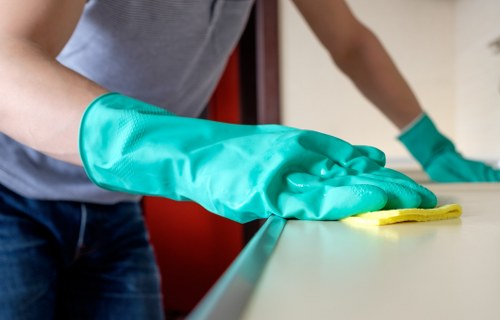 Personal protective equipment is an important last line of defence within our insurance and safety system. Depending on the task, this may include helmets, gloves, safety footwear, eye protection, hearing protection, hi-vis clothing, or respiratory protection. We ensure that PPE is selected according to the risks involved and is maintained in good condition.
However, PPE is only one part of the solution. It works best when combined with safe procedures, proper supervision, and well-maintained equipment. We encourage a “control the hazard first” mindset, where physical safeguards and work planning are considered before relying on personal protection. This balanced approach helps create a safer environment for everyone involved.
We also make sure that staff know how to wear, adjust, inspect, and store PPE correctly. Incorrect use can reduce its effectiveness, so guidance and routine checks are essential. By making safety equipment part of everyday practice, we strengthen our overall duty of care and support a consistent standard of protection.
Risk Assessment Process
 Our risk assessment process is designed to identify hazards early and put sensible controls in place before work begins. We start by reviewing the site, the task, the people involved, and any outside factors that may affect safety. This includes access issues, weather, machinery, nearby occupants, and the condition of the working area.
Once hazards are identified, we evaluate how likely harm could occur and how serious the outcome might be. From there, we choose suitable control measures such as changing the method of work, restricting access, using barriers, scheduling tasks at quieter times, or increasing supervision. Each assessment is practical, task-specific, and focused on reducing real-world risk.
Risk assessments are not left to gather dust after completion. They are reviewed whenever conditions change, new information becomes available, or a task develops in a different direction than expected. This living process is a core part of our insurance and safety commitment, because effective risk management depends on staying alert and adapting quickly.
Our Commitment to Safer Working
We see insurance and safety as more than a policy statement; it is a working principle that influences how every job is planned and delivered. Through public liability insurance, trained personnel, appropriate PPE, and a disciplined risk assessment process, we aim to create environments where hazards are controlled and people are protected.
Safety is strongest when everyone contributes to it. That is why we promote shared responsibility, clear procedures, and consistent standards on every project. By staying attentive to detail and placing prevention at the centre of our work, we provide a dependable approach that supports both confidence and compliance.