Move Out Cleaning in Rental Properties: A Complete, SEO-Friendly Guide for a Smooth Transition
Why Move Out Cleaning Matters for Tenants, Landlords, and Property Managers

Move out cleaning is one of the most important parts of ending a tenancy on the right note. Whether you are leaving an apartment, a family home, a student rental, or a commercial unit, a well-executed move out cleaning process helps protect your deposit, reduce disputes, and leave the property in excellent condition for the next occupant.
For tenants, thorough move out cleaning can mean the difference between a full deposit refund and unexpected deductions. For landlords and property managers, it supports faster turnovers and better presentation, which can help attract new tenants sooner. In competitive rental markets, the cleanliness of a vacant property often affects first impressions more than many people realize.
Beyond deposits and occupancy, move out cleaning also creates a respectful handover. A property that is properly cleaned after moving out reflects care and responsibility, and that matters whether you are relocating across town or moving into a new city. It is not just about wiping surfaces; it is about restoring the place to a presentable, hygienic, and move-in-ready state.
What Move Out Cleaning Usually Includes
Every property is different, but a professional-style move out cleaning service typically focuses on deep cleaning the entire space from top to bottom. This is more detailed than routine weekly cleaning because it targets built-up dirt, hidden dust, and areas often overlooked during everyday maintenance.
In many cases, a move out cleaning checklist includes kitchens, bathrooms, bedrooms, living areas, storage spaces, and entryways. It also often covers interior windows, baseboards, fixtures, light switches, cabinet interiors, appliance exteriors, and floor care. The goal is to leave the property clean enough for inspection, photography, or immediate occupancy.
Common tasks may include:
- Dusting ceiling corners, vents, and light fittings
- Removing cobwebs from walls and ceilings
- Cleaning inside and outside cabinets and drawers
- Scrubbing sinks, taps, toilets, and showers
- Degreasing kitchen surfaces and appliances
- Vacuuming and mopping floors
- Wiping doors, handles, and switches
- Spot-cleaning marks on walls where appropriate
The Difference Between Regular Cleaning and Move Out Cleaning

Many people assume that standard cleaning is enough before handing back the keys, but move out cleaning is usually much more detailed. Routine cleaning keeps a home tidy from day to day, while end of tenancy cleaning focuses on restoring the property after months or years of use.
That difference matters because rental properties often accumulate hidden grime in places that are easy to ignore during normal life. Behind appliances, under furniture, around skirting boards, and inside cupboards are all common problem areas. A proper move out cleaning approach pays attention to those details.
In practical terms, regular cleaning might include wiping counters and vacuuming floors, while move out cleaning can involve deep oven cleaning, limescale removal, bathroom descaling, stain treatment, and edge-to-edge floor care. If you want to improve your chances of passing an inspection, the deeper level of service is usually worth it.
A Room-by-Room Move Out Cleaning Checklist
A successful move out cleaning process becomes easier when broken into rooms. This makes the work more manageable and helps ensure no area is forgotten. Below is a practical room-by-room approach that works for most homes and apartments.
Kitchen: The kitchen often takes the most time because grease, food residue, and appliance buildup can be stubborn. Clean the oven, stovetop, range hood, refrigerator interior, microwave, sink, countertops, backsplash, cabinet fronts, and pulls. Empty and wipe drawers and cupboards thoroughly. Finish by mopping floors and cleaning behind accessible appliances.
Bathroom: Bathrooms need detailed attention during move out cleaning. Scrub the toilet, shower, bathtub, sink, taps, tile grout, mirror, and vanity. Remove soap scum, limescale, mildew, and water spots. Clean exhaust fans and any shelving or storage units before sanitizing high-touch surfaces.
Additional Rooms to Prioritize
Bedrooms and living areas may seem simpler, but they still require a structured clean. Dust all surfaces, vacuum carpets, remove marks where possible, and clean window sills, blinds, and internal glass. Don’t forget closets, baseboards, and ceiling fans. These details can influence how the property looks during final inspection.
Why Move Out Cleaning Helps Protect Your Deposit
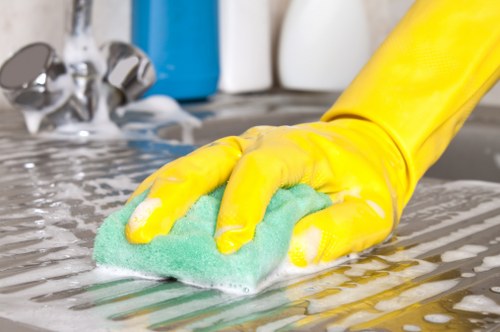
One of the biggest reasons tenants invest in move out cleaning is the deposit. Most lease agreements require the property to be returned in a clean and orderly condition. If cleaning is incomplete, landlords may deduct the cost of remediation from the security deposit.
While wear and tear is expected, dirt, stains, and neglected areas are often treated differently. For example, a lightly scuffed wall may be accepted, but an oven coated in baked-on grease or a bathroom with visible mold may lead to deductions. That is why end of tenancy cleaning is not just a cosmetic task; it is a financial strategy.
To reduce the risk of deductions, keep records of your cleaning efforts, photograph the property before handover, and compare your work against the lease’s cleanliness requirements. A carefully completed move out cleaning job can save you time, stress, and money.
How to Plan Move Out Cleaning Without Feeling Overwhelmed
Moving is already demanding, so it helps to approach move out cleaning with a plan. Instead of trying to do everything at the last minute, build a timeline that spreads the work across several days. This reduces pressure and makes it easier to clean each area properly.
Start with low-use rooms and storage spaces, then move to kitchens and bathrooms closer to moving day. This approach prevents already-cleaned areas from being disturbed too early. If your furniture is still in place, clean around and behind it as much as possible. Once items are removed, give the room one final pass.
A simple plan may look like this:
- Declutter and pack nonessential items
- Clean storage areas, shelves, and closets
- Deep clean kitchen appliances and cabinets
- Scrub bathrooms and sanitize fixtures
- Vacuum, dust, and mop remaining living spaces
- Do a final inspection before leaving
Move Out Cleaning Tips for Kitchens
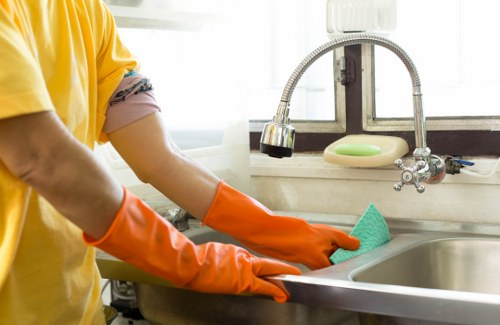
The kitchen is often the hardest room to clean during move out cleaning. Grease, spills, and food odors can linger, so this space deserves focused effort. Start at the top and work downward so dust and debris fall onto surfaces that have not yet been cleaned.
Use appropriate products for each surface. Degreasers can help on stovetops and range hoods, while non-abrasive cleaners are better for delicate finishes. If appliances are included in the tenancy, clean them inside and out. This includes shelves, seals, trays, filters, and handles.
Helpful kitchen tasks include:
- Wiping cabinet interiors and exteriors
- Cleaning the refrigerator and freezer compartments
- Removing grease from backsplash and extractor fans
- Descaling taps and sinks
- Cleaning under and behind appliances if accessible
- Emptying trash and deodorizing the area
When the kitchen is spotless, the entire property feels fresher. It also shows that the move out cleaning was handled with care and attention to detail.
Bathroom Cleaning Strategies That Make a Big Difference
Bathrooms can make or break the outcome of move out cleaning. These spaces are used heavily and often show buildup in hidden areas. Start by removing all items from shelves, cabinets, and shower caddies, then clean surfaces from ceiling to floor.
Pay special attention to grout, drains, faucets, and toilet bases. Limescale and mildew are common issues that may require specialized products or extra dwell time. Mirror streaks, water spots, and soap residue are small details, but they can be very noticeable during inspection.
For better results, allow cleaners to sit for a few minutes before scrubbing. Ventilate the room where possible, and finish by wiping all surfaces dry. A clean, dry bathroom is one of the strongest indicators of a successful move out cleaning effort.
Quick Bathroom Priorities
Focus on: toilet sanitation, shower glass, drain covers, taps, sink basins, vanity drawers, and floor corners. These are the most inspected areas and the most likely to reveal neglect if rushed.
Living Areas, Bedrooms, and Hallways
Living rooms, bedrooms, and hallways may not be as messy as kitchens and bathrooms, but they still matter a great deal in move out cleaning. Dust and debris can collect in corners, behind furniture, and along skirting boards, while carpets and floors often reveal traffic patterns, stains, and neglected edges.
Start by removing nails, hooks, and temporary fittings if allowed by your lease. Then clean windowsills, light switches, air vents, mirrors, and built-in storage. Vacuum thoroughly, including under beds and sofas if those areas are accessible. If the flooring is hard surface, mop with an appropriate cleaner to remove residue and dullness.
Hallways deserve attention too because they create the first impression when someone enters. Wipe doors, frames, handles, and baseboards. These spaces are often overlooked, but they can significantly influence how polished the entire property feels after move out cleaning.
Should You Hire a Professional Move Out Cleaning Service?
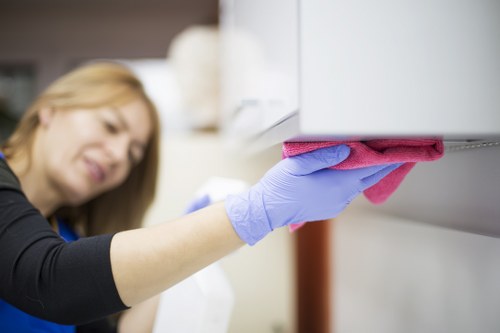
Many renters and homeowners choose to hire a professional move out cleaning service because it saves time and reduces stress. This can be especially useful if you are working on a tight moving schedule, handling a large property, or dealing with stubborn buildup that requires specialized tools and products.
Professionals often bring efficiency, consistency, and experience to the job. They know how to tackle areas that tenants may miss, and they usually work from a detailed end-of-tenancy checklist. If your lease has strict cleanliness standards, booking a service may be the easiest way to meet expectations.
That said, not everyone needs full-service help. If you have the time, energy, and right supplies, a well-planned DIY move out cleaning can still deliver excellent results. The best choice depends on your budget, schedule, and the condition of the property.
What to Look for in a Professional Cleaning Service
If you decide to outsource your move out cleaning, choose a service with clear scope, transparent pricing, and experience with tenancy turnovers. Not all cleaning companies specialize in this type of work, so it helps to ask whether they follow an end-of-lease checklist.
Look for services that can handle deep kitchen cleaning, bathroom sanitation, floor care, and internal detailing. It is also wise to ask whether they offer re-clean options if the landlord or agent identifies missed areas. A good provider should understand what property managers typically inspect.
When comparing options, focus on value rather than price alone. A cheaper service may leave you doing extra work later, while a more detailed service can improve your chance of passing inspection the first time. In many cases, that is worth the investment.
Questions to Consider
- Does the service specialize in move out cleaning?
- What tasks are included in the standard package?
- Are supplies and equipment included?
- Is there a satisfaction or re-clean policy?
- Can the team handle carpets, ovens, or windows?
Move Out Cleaning Mistakes to Avoid
Even with the best intentions, people often make avoidable mistakes during move out cleaning. One common issue is leaving the process until the final day, which can result in rushed work and missed details. Another is cleaning visible surfaces only while ignoring hidden areas such as cabinet tops, behind toilets, or under appliances.
Some tenants also use the wrong cleaning products, which can damage surfaces or leave residue behind. Harsh abrasives may scratch finishes, while too much water on wood floors can cause problems. It is always better to use the right method for each material and test products in a small area when needed.
Other mistakes include forgetting outdoor spaces, failing to empty bins, and not checking the lease for specific requirements. A careful, methodical move out cleaning process helps you avoid these problems and create a better final result.
How to Make Move Out Cleaning Faster and More Effective
Efficiency matters when moving, and the right method can make move out cleaning feel much more manageable. The key is to clean strategically instead of randomly. Gather all supplies first so you do not waste time searching for tools mid-task. Microfiber cloths, sponges, scrub brushes, a vacuum, mop, and appropriate sprays should be ready before you begin.
Work from the highest surfaces to the lowest, and from the farthest room to the exit. This prevents cleaned areas from becoming dirty again. Keep a trash bag or box nearby for items you find during cleaning, and dispose of clutter immediately rather than moving it from room to room.
If you are short on time, prioritize inspection-sensitive areas first: kitchen appliances, bathrooms, floors, mirrors, and entry points. These areas are usually the most visible and can have the biggest impact on the outcome of move out cleaning.
Why Move Out Cleaning Supports a Better Move-In Experience for the Next Occupant
Good move out cleaning is not only beneficial for the outgoing tenant. It also helps the next resident start with a cleaner, healthier living environment. When a property is left in good condition, the incoming occupant can unpack and settle in faster, without needing to do a deep clean before moving their belongings inside.
This matters for landlords and property managers too. A clean handover can improve reviews, reduce complaints, and make the property easier to market. Cleanliness is one of the most visible signs of maintenance, and it often influences how people judge the overall quality of a rental.
So while end-of-tenancy cleaning may feel like the final chore of a stressful process, it actually plays a meaningful role in the next chapter of the property. That is why move out cleaning deserves real attention and planning.
Final Thoughts on Move Out Cleaning
Move out cleaning is more than a box to tick before returning the keys. It protects deposits, reduces conflict, supports property value, and creates a smoother transition for everyone involved. Whether you do it yourself or hire professionals, the goal is the same: leave the property clean, presentable, and ready for the next use.
By following a room-by-room plan, using the right products, and focusing on details that matter most, you can make the process far less stressful. A clean home at the end of a tenancy shows responsibility and helps you move forward with confidence.
If you are preparing to leave a rental soon, take action early, stay organized, and make move out cleaning a priority. Book your service now or start your checklist today to ensure a smoother handover and a better result.