Deep Cleaning: Transforming Spaces with a Thorough, Healthier Approach
Deep cleaning is more than a routine tidy-up. It is the process of reaching the hidden dirt, grime, dust, and buildup that regular cleaning often misses. Whether you are refreshing a home, preparing a rental property, or improving the look and feel of a workspace, deep cleaning can make a noticeable difference. It supports a healthier environment, improves indoor freshness, and helps surfaces last longer.
Unlike basic maintenance, deep cleaning focuses on neglected corners, high-touch areas, appliances, fixtures, and hidden spaces. It can be scheduled seasonally, before special events, after renovations, or whenever a space needs a reset. For many households and businesses, deep cleaning is the difference between a place that looks clean and a place that truly feels clean.
In this article, we will explore what deep cleaning involves, why it matters, how it differs from regular cleaning, and how to approach it effectively. You will also find practical tips for different rooms, common mistakes to avoid, and reasons many people choose professional help for the best results.
What Is Deep Cleaning?

Deep cleaning is a detailed and thorough cleaning process that targets buildup in areas that are often overlooked during everyday housekeeping. It usually includes scrubbing, degreasing, disinfecting, dusting, and sanitizing spaces that accumulate hidden dirt over time. The goal is not just to make a surface look nice, but to restore cleanliness at a deeper level.
A standard cleaning might involve wiping counters, vacuuming floors, and cleaning visible surfaces. Deep cleaning goes further by addressing baseboards, behind furniture, under appliances, grout lines, vents, light switches, and other hard-to-reach areas. This makes deep cleaning services especially valuable in homes, offices, and commercial spaces where hygiene and presentation matter.
For many people, deep cleaning also brings peace of mind. When a space is cleaned thoroughly, it can feel more organized, more comfortable, and more inviting. That is why deep cleaning is often connected with seasonal maintenance, moving in or out, post-event cleanup, or preparing for guests.
Why Deep Cleaning Matters
Deep cleaning matters because dirt does not stay visible forever. Over time, dust collects in corners, grease settles on kitchen surfaces, soap scum builds in bathrooms, and allergens settle into fabrics and vents. If these areas are ignored, the space can begin to feel dull, stale, or even unhealthy. A regular deep clean helps prevent that buildup from getting out of control.
Another major benefit is hygiene. Kitchens, bathrooms, and high-touch points can harbor germs and bacteria if they are not cleaned properly. Deep cleaning includes sanitation-focused steps that reduce contamination risks and create a safer environment. In households with children, older adults, or pets, this extra level of care can be especially important.
There is also a long-term maintenance benefit. Dirt and grime can wear down finishes, stain grout, clog vents, and shorten the life of appliances or upholstery. By investing time in deep cleaning, property owners can protect their surfaces and reduce the need for costly repairs or replacements.
Key Benefits at a Glance
- Improves indoor hygiene and freshness
- Reduces dust, allergens, and buildup
- Helps maintain surfaces and fixtures
- Makes spaces more comfortable and inviting
- Supports better first impressions for guests or customers
Deep Cleaning vs. Regular Cleaning

It is easy to confuse regular cleaning with deep cleaning, but the two serve different purposes. Regular cleaning is about maintenance. It keeps the space presentable and prevents mess from piling up. Tasks usually include sweeping, mopping, wiping surfaces, and taking out trash. This kind of cleaning is essential, but it does not usually address hidden buildup.
Deep cleaning is more intensive. It takes more time, more effort, and often more specialized products or tools. It involves moving items, scrubbing neglected surfaces, and paying attention to details that routine cleaning does not cover. Think of regular cleaning as keeping a space in shape, while deep cleaning restores it to a higher standard.
Many people use both approaches together. Regular upkeep makes the home manageable, and deep cleaning resets the environment when necessary. This combination is often the most practical way to maintain a healthy and attractive property year-round.
Examples of the Difference
- Regular cleaning: wiping the kitchen counter
- Deep cleaning: cleaning behind the toaster, degreasing cabinet fronts, and scrubbing tile grout
- Regular cleaning: vacuuming visible floor areas
- Deep cleaning: moving furniture to vacuum underneath and dusting along baseboards
When Deep Cleaning Is Most Needed
There are many situations where deep cleaning becomes especially useful. Some are seasonal, while others are tied to life events or practical needs. Knowing when to schedule a deep clean can help keep your space consistently fresh and manageable.
Common times for deep cleaning include before or after moving, during spring or fall maintenance, after remodeling work, and before hosting guests or special events. In busy households, a periodic deep cleaning schedule can also help prevent dirt from accumulating in hidden spaces. Offices and commercial locations often benefit from deep cleaning after peak traffic periods or during off-hours.
Another important moment for deep cleaning is when a space starts to look clean on the surface but still feels dusty, sticky, or stale. This often means buildup is hiding in places that standard upkeep does not reach. At that point, a detailed deep cleaning process can make a dramatic difference.
Common Triggers for Deep Cleaning
- Seasonal transitions
- Moving into a new home
- Moving out of a property
- Post-renovation dust and debris
- Preparing for events or guests
- After illness in the household
- When regular cleaning no longer feels sufficient
What Deep Cleaning Usually Includes

Deep cleaning can vary depending on the property, but most thorough services follow a similar pattern. The focus is on removing buildup from every major room and addressing details that are often skipped during routine upkeep. In a home, this may include kitchens, bathrooms, living areas, bedrooms, laundry rooms, and entryways. In a business setting, it can include common areas, restrooms, kitchens, and work surfaces.
Typical deep cleaning tasks may include scrubbing sinks, sanitizing fixtures, dusting ceiling fans, cleaning baseboards, wiping door frames, polishing mirrors, and cleaning inside appliances. Floors may be mopped with extra attention to edges and corners. Upholstery, vents, light switches, and vents may also be addressed depending on the scope.
Professional deep cleaning services may go even further by using specialized equipment, environmentally mindful cleaning agents, and detailed checklists. This helps ensure consistency and a higher standard of cleanliness across the property.
Typical Areas Addressed
- Kitchen surfaces, cabinets, and appliances
- Bathrooms, showers, tubs, and toilets
- Living spaces, furniture, and decorative surfaces
- Bedrooms, closets, and under-bed areas
- Entryways, baseboards, and high-touch points
Room-by-Room Deep Cleaning Focus
A smart approach to deep cleaning is to break the job into rooms. This keeps the work organized and makes it easier to see progress. Each room has specific problem areas that benefit from extra attention, and understanding those can save time while improving results.
In the kitchen, deep cleaning often means degreasing surfaces, cleaning appliance exteriors and interiors, wiping cabinets, and sanitizing sinks and counters. Kitchens gather grease and food residue quickly, so this room often needs the most intensive care. In bathrooms, the priorities include disinfecting toilets, scrubbing tiles, removing soap scum, and polishing mirrors and fixtures. These areas can develop mineral deposits and grime if they are not cleaned thoroughly.
Bedrooms and living rooms may seem easier, but they still hold dust, allergens, and hidden debris. Dusting blinds, vacuuming under furniture, cleaning ceiling fans, and washing soft furnishings can make these rooms feel dramatically fresher. A quality deep cleaning routine addresses all of these details with precision.
Helpful Room Priorities
- Kitchen: grease, crumbs, cabinet fronts, appliances
- Bathroom: soap scum, limescale, grout, fixtures
- Bedroom: bedding, under-bed dust, closet organization
- Living area: upholstery, baseboards, corners, electronics dust
Tools and Supplies for Effective Deep Cleaning

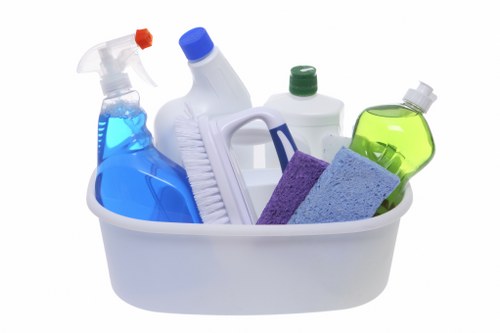
The right tools can make deep cleaning much easier and more effective. While the exact supplies depend on the job, certain items are useful in almost every setting. Microfiber cloths, scrub brushes, mop systems, vacuum attachments, disinfectants, all-purpose cleaners, and degreasers are common essentials. For tough areas, a grout brush or steam cleaner may also be helpful.
Choosing the correct product for each surface is important. Using harsh chemicals on delicate finishes can cause damage, while using a weak cleaner on grease or mineral buildup may be ineffective. Reading labels and testing in small areas is a smart habit. When in doubt, professional deep cleaning teams often use surface-specific products to avoid damage and improve results.
Organization also matters. Keeping supplies in a caddy or basket makes the process more efficient and helps you move from room to room without losing momentum. It is also a good idea to have separate cloths or tools for bathrooms and kitchens to support better hygiene.
Essential Supplies List
- Microfiber cloths
- Vacuum with attachments
- Mop and bucket
- Scrub brushes and grout brush
- Disinfectant and all-purpose cleaner
- Glass cleaner
- Degreaser
- Protective gloves
How to Plan a Deep Cleaning Schedule
A consistent schedule can make deep cleaning less overwhelming. Instead of trying to do everything at once, many homeowners and businesses divide tasks into manageable sections. This approach creates steady progress and prevents the job from becoming too large or stressful.
One method is to set a seasonal schedule. For example, you might do a full deep cleaning in spring and fall, then handle smaller targeted tasks throughout the year. Another option is to rotate rooms weekly or monthly so each area gets periodic attention. This works well for busy families or offices that need ongoing upkeep.
If you prefer a simpler method, start with high-priority zones like the kitchen and bathroom. Then move to less demanding spaces such as bedrooms, hallways, or storage areas. Setting a timer, checklist, or room-by-room plan can make the process easier to follow and more rewarding to complete.
Sample Planning Tips
- Start with one room at a time
- Use a checklist to track progress
- Set realistic time blocks
- Focus first on high-traffic areas
- Repeat the schedule seasonally or quarterly
Professional Deep Cleaning Services: When to Consider Them
Some spaces benefit from professional help, especially when time is limited or the cleaning challenge is extensive. Professional deep cleaning services bring expertise, equipment, and efficiency. They are often a strong choice for large homes, busy workplaces, move-in or move-out situations, and properties that need a higher level of sanitation.
Hiring professionals can also be worthwhile if you want consistent results without the physical strain. Scrubbing, lifting furniture, and reaching high or awkward areas can be demanding. A trained team can handle these tasks more efficiently, and they often know how to treat different surfaces safely. This reduces the risk of damage while improving the overall finish.
For many people, the best part is the time saved. Instead of spending an entire weekend on a deep clean, you can focus on work, family, or other priorities while the space is being refreshed. If your property needs a full reset, book your service now and enjoy the difference a professional touch can make.
Common Deep Cleaning Mistakes to Avoid
Even with the best intentions, deep cleaning can go wrong if the process is rushed or poorly planned. One common mistake is cleaning in the wrong order. If you vacuum before dusting, for example, dust may fall to the floor and undo your effort. A better approach is to work from top to bottom so debris falls to areas you have not cleaned yet.
Another mistake is using too many products at once. Some chemicals can react badly when mixed, and others may leave residue if overused. It is better to use the right product for the task and follow the instructions carefully. Deep cleaning should be thorough, but it should also be safe and controlled.
People also sometimes forget hidden areas such as behind toilets, under furniture, inside vents, or around appliance seals. These spaces are easy to miss, but they are often where dirt builds up the fastest. Creating a checklist can help prevent these oversights and improve consistency.
Mistakes to Watch For
- Cleaning in the wrong order
- Using incorrect or harsh products
- Skipping hidden or hard-to-reach spaces
- Rushing through detailed tasks
- Neglecting to ventilate the area while cleaning
How Deep Cleaning Supports Better Living and Working Spaces
Deep cleaning does more than improve appearance. It contributes to a healthier lifestyle, a more productive environment, and a stronger sense of comfort. In the home, a freshly cleaned space can reduce stress and make daily routines smoother. In an office or commercial property, a clean environment can support focus, professionalism, and positive impressions.
It can also be motivating. Once a space has been deeply cleaned, many people find it easier to stay organized and maintain good habits. Clean surfaces, clear floors, and fresh air can change how a room feels immediately. This is why deep cleaning is often viewed as both practical and restorative.
Whether the goal is sanitation, organization, presentation, or peace of mind, deep cleaning provides value across many types of properties. It is one of the most effective ways to refresh a space and make it feel renewed.
Why People Keep Returning to Deep Cleaning
- It improves the feel of a space quickly
- It supports healthier indoor conditions
- It helps preserve surfaces and furnishings
- It creates better long-term upkeep habits
- It offers visible and noticeable results
If your space is overdue for a reset, now is the perfect time to take action. Contact us today to learn how deep cleaning can help transform your home or business into a cleaner, more comfortable place.