Communal Area Cleaning: Keeping Shared Spaces Safe, Fresh, and Welcoming
Why Communal Area Cleaning Matters in Everyday Life
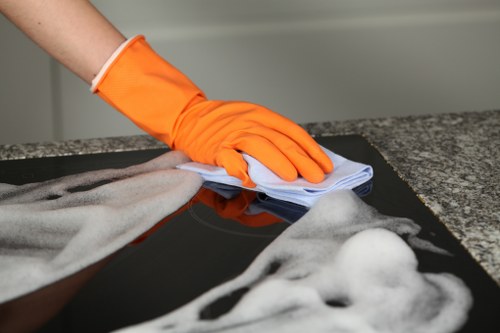
Communal area cleaning plays a vital role in keeping shared spaces healthy, attractive, and comfortable for everyone who uses them. Whether it is an apartment block, office building, retail complex, student accommodation, or mixed-use property, the condition of communal spaces creates a strong first impression and shapes the daily experience of residents, visitors, employees, and customers.
Shared areas are high-traffic zones, which means they collect dust, fingerprints, spills, litter, and germs faster than private spaces. Regular communal area cleaning helps reduce unpleasant odors, prevent the spread of bacteria, and preserve the appearance and value of a property. A clean environment also supports a more positive atmosphere, encouraging people to treat the space with respect.
For property managers and landlords, investing in professional communal cleaning services can reduce complaints, improve tenant satisfaction, and help maintain compliance with health and safety expectations. In other words, clean shared spaces are not just about appearance; they are about comfort, safety, and long-term property care.
What Communal Area Cleaning Includes
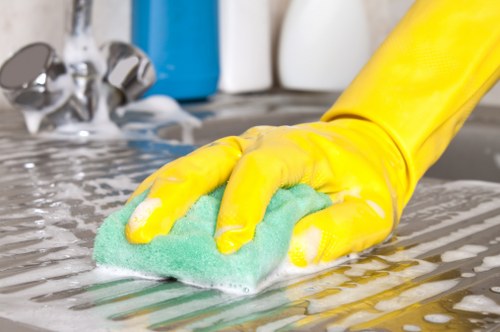
Communal area cleaning covers a wide range of tasks designed to keep shared facilities in top condition. The exact service plan will depend on the type of building, the number of occupants, and the level of foot traffic. In most cases, it includes both routine cleaning duties and periodic deep-clean tasks.
Typical communal area cleaning tasks may include:
- Vacuuming and mopping hallways, lobbies, and stairwells
- Dusting skirting boards, ledges, light switches, and handrails
- Wiping doors, glass panels, and entry points
- Cleaning lifts, buttons, mirrors, and elevator floors
- Removing rubbish from common bins and waste stations
- Sanitizing high-touch surfaces such as railings and handles
- Cleaning communal kitchens, lounges, and restrooms where applicable
- Maintaining entrance mats and welcome areas
Some properties also require specialist care, such as deep cleaning communal areas, pressure washing external walkways, or periodic window cleaning. The goal is to create a consistent standard of cleanliness throughout the shared environment.
Benefits of Regular Communal Area Cleaning

There are many reasons why a reliable communal area cleaning schedule makes sense. The benefits go beyond visual appeal and contribute to the overall performance of a property.
1. Improved hygiene
Shared spaces are used by many people every day. Regular cleaning reduces dirt buildup and lowers the risk of germs spreading from one person to another. This is especially important in places where people regularly touch doors, lifts, and handrails.
2. Better first impressions
Visitors and potential tenants notice the condition of communal spaces immediately. Clean lobbies, tidy corridors, and fresh-smelling stairwells suggest that the building is well cared for. That can positively influence how people view the property and the management behind it.
3. Longer-lasting surfaces
Dust, grime, and spills can wear down floors, paint, fixtures, and fittings over time. With consistent communal area cleaning, surfaces are protected from premature damage, which helps reduce repair and replacement costs.
4. Higher satisfaction among occupants
Residents and workers tend to feel more comfortable in a clean environment. When communal spaces are maintained properly, occupants are more likely to feel valued and respected.
Areas That Need the Most Attention

Some parts of a building require more frequent attention than others because they are touched often or exposed to constant movement. A smart communal area cleaning plan prioritizes these high-use areas.
Entrances and reception areas
These are the first places people see. They should be free from dust, debris, streaks, and clutter. Floor mats, glass doors, counters, and signage all need regular upkeep to maintain a polished look.
Corridors and hallways
Corridors often gather dust, footprints, and marks on walls. They are also common routes for moving furniture, deliveries, and waste. Regular vacuuming, mopping, and spot-cleaning are essential.
Staircases and landings
Stairwells can be neglected easily, but they are key communal routes. Cleaning handrails, steps, corners, and lighting fixtures helps prevent grime buildup and improves safety.
Lifts and elevator areas
Elevators are high-touch spaces that need frequent disinfection. Mirrors, walls, floors, and buttons should be cleaned regularly to keep them presentable and hygienic.
Shared kitchens and break rooms
If a building includes communal kitchens, these areas must be cleaned carefully to avoid odors, pests, and cross-contamination. Sinks, counters, appliances, and waste bins all need proper attention.
How Professional Communal Area Cleaning Works

Professional communal area cleaning is usually delivered through a planned schedule tailored to the building’s needs. A well-organized routine ensures that shared areas remain clean without disrupting daily activity.
Most cleaning companies begin with an assessment of the property. This helps identify the size of the area, the type of flooring, the busiest times of day, and any problem zones such as persistent litter, heavy dirt, or odours. From there, a custom service plan is created.
The cleaning team may visit daily, several times per week, or on a different schedule depending on the premises. In busy residential blocks or commercial buildings, daily communal area cleaning may be necessary. In smaller or lower-traffic properties, fewer visits may be enough to maintain standards.
Common professional cleaning methods
- Dry cleaning and dust removal
- Vacuuming carpets and runners
- Machine mopping hard floors
- Disinfecting touchpoints
- Glass and mirror polishing
- Waste collection and disposal
- Odour control and spot treatment
Professional cleaners also use suitable products for different surfaces. This matters because the wrong chemical can damage flooring, leave streaks on glass, or reduce the life of delicate finishes. Skilled cleaners know how to choose the right tools and detergents for the job.
Communal Area Cleaning for Residential Buildings
In residential settings, communal area cleaning helps create a sense of pride and order. Apartment blocks, housing complexes, and shared living spaces depend on regular upkeep because many people pass through the same halls and entry points every day.
Residents often expect clean stairwells, vacuumed landings, tidy bin areas, and fresh-smelling entrances. When these standards are met, it reduces friction between tenants and management while creating a more pleasant living experience.
Residential communal cleaning may also include seasonal tasks such as clearing leaves from entrances, cleaning salt and mud in winter, or dealing with increased debris during wet weather. The best cleaning plans adapt to the time of year and the building’s usage patterns.
Why residential blocks need consistency
- Shared areas are exposed to constant foot traffic
- Waste accumulation can cause hygiene issues
- Visitors form opinions based on the building’s condition
- Regular upkeep helps preserve flooring and paintwork
- Consistent cleaning reduces pest and odor risks
When residents notice reliable communal area cleaning, they are more likely to respect shared facilities and follow building rules. That mutual respect supports a cleaner, calmer environment for everyone.
Communal Area Cleaning for Commercial Properties
Commercial premises have their own unique requirements. Offices, retail centers, clinics, and business parks often rely on professional communal area cleaning to support productivity, safety, and a strong brand image.
In office buildings, common spaces include entrances, corridors, elevators, meeting areas, kitchens, and restrooms. These areas must be hygienic and visually tidy because staff and visitors use them throughout the day. Clean shared spaces can also improve morale and support a healthier workplace.
Retail and business properties may need extra attention around high-traffic entrances, customer waiting areas, and washrooms. With more people coming and going, dirt can accumulate quickly. A structured cleaning schedule helps maintain a welcoming experience and reduce visible wear.
Business advantages of clean communal spaces
- Supports a professional image
- Reduces complaints from tenants and visitors
- Helps maintain safety and cleanliness standards
- Encourages better employee satisfaction
- Protects property assets over time
For organizations that care about presentation and performance, communal area cleaning is an operational priority, not an optional extra.
Health, Safety, and Hygiene Considerations
One of the strongest reasons to prioritize communal area cleaning is health and safety. Shared areas can quickly become a source of contamination if they are not cleaned properly. Dust, moisture, food waste, and high-touch surfaces create conditions where bacteria and allergens can thrive.
Cleaning high-contact points such as railings, handles, buttons, switches, and counters is especially important. These touchpoints are touched by many people throughout the day, making them more likely to spread germs. Regular disinfection supports a healthier environment for all occupants.
Safety is also linked to cleaning. Spills on floors can cause slips and falls, while cluttered corridors can create trip hazards. Poor lighting covered in dust or grime can reduce visibility, and neglected waste areas may attract pests. A good cleaning routine helps reduce these risks.
Key safety practices in communal cleaning
- Use warning signs for wet floors
- Keep pathways clear of obstruction
- Inspect areas for hazards during each visit
- Use appropriate products for disinfection
- Document recurring issues for follow-up
By combining hygiene and hazard prevention, communal area cleaning contributes to a safer building for everyone.
Choosing the Right Communal Area Cleaning Schedule
There is no single schedule that suits every property. The right communal area cleaning plan depends on size, traffic, layout, and occupancy. A busy apartment block or commercial office may need daily service, while a smaller premises might do well with weekly or alternate-day visits.
A strong schedule should balance consistency with efficiency. Cleaning too infrequently can lead to dirt buildup and complaints, while over-cleaning areas that are rarely used may waste budget and resources.
Factors that influence scheduling include:
- Number of residents, employees, or visitors
- Type of flooring and finish
- Presence of lifts, bins, kitchens, or washrooms
- Seasonal weather conditions
- Local regulations or property rules
Tip for property managers
Review the cleaning schedule regularly and adjust it when occupancy changes or when certain areas become more heavily used. This keeps the service effective and cost-efficient.
What to Look for in a Communal Area Cleaning Service
Selecting the right provider matters just as much as selecting the right schedule. A dependable communal area cleaning company should be experienced, organized, and able to deliver consistent results.
When evaluating a service provider, consider the following:
- Experience in shared environments – Cleaning communal spaces requires knowledge of different surfaces, traffic levels, and hygiene needs.
- Flexible service plans – The provider should adapt to the building’s schedule and changing requirements.
- Trained staff – Cleaners should understand safe product use, surface care, and high-touch sanitation.
- Quality control – Regular inspections and feedback systems help maintain standards.
- Clear communication – It should be easy to arrange updates, report problems, and request additional tasks.
It is also wise to ask whether the provider can handle specialist requests such as deep communal cleaning, floor care, or periodic detailing. A versatile team can support both routine maintenance and occasional intensive cleaning.
If you are responsible for a property, book your service now to keep shared spaces in excellent condition all year round.
Eco-Friendly Communal Area Cleaning Options
Many property owners and managers are now looking for greener ways to maintain shared spaces. Eco-friendly communal area cleaning uses products and methods that reduce environmental impact while still delivering strong results.
This approach may include biodegradable cleaning products, microfiber cloths that reduce waste, controlled water usage, and efficient equipment that lowers energy consumption. In addition to being better for the planet, these choices can be gentler on surfaces and more comfortable for occupants with sensitivities.
Eco-conscious cleaning can also support broader sustainability goals for a property. For example, reducing chemical runoff and limiting disposable materials contributes to responsible building management.
Benefits of greener cleaning methods
- Reduced environmental impact
- Safer indoor air quality
- Lower exposure to harsh chemicals
- Improved sustainability reputation
- Better alignment with modern property values
Choosing sustainable methods does not mean sacrificing quality. In fact, many modern products and cleaning systems are designed to deliver excellent results while supporting environmental responsibility.
Seasonal Challenges in Communal Area Cleaning
Different seasons bring different cleaning challenges. A successful communal area cleaning strategy must account for weather, foot traffic, and changes in building use throughout the year.
During rainy months, entrances and halls can collect mud, water, and leaf debris more quickly. In winter, salt and grit may be tracked inside, leaving floors dull and abrasive residue behind. Summer can bring dust, increased ventilation needs, and more frequent use of outdoor-to-indoor pathways.
Seasonal adjustment helps prevent small problems from becoming major maintenance issues. A cleaning team may increase frequency in high-demand periods, focus more on mat cleaning, or schedule deeper floor care when dirt levels rise.
Examples of seasonal adjustments
- More frequent floor mopping in wet weather
- Extra attention to entry mats and boot scrapers
- Leaf and debris removal near entrances
- Additional sanitizing of touchpoints during colder months
- Greater focus on ventilation and dust control in warmer periods
By planning ahead, property teams can keep communal spaces clean and welcoming no matter the season.
Common Problems Caused by Poor Communal Area Cleaning
When communal spaces are not cleaned properly, the effects can be noticed quickly. Poor communal area cleaning often leads to visible dirt, bad odors, and complaints from occupants. Over time, it can also create more serious operational issues.
Common problems include sticky floors, stained carpets, blocked waste areas, unpleasant smells, dust accumulation, and grime on walls or doors. These issues can make a building look neglected and may also affect how safe and healthy it feels.
Neglect can also increase long-term costs. Dirt and moisture can damage surfaces, accelerate wear, and lead to more frequent repairs. In severe cases, poor cleanliness may contribute to pest problems or health and safety concerns.
Risks of ignoring shared spaces
- Lower tenant or employee satisfaction
- Higher repair and replacement costs
- Greater chance of slips, trips, and falls
- Increased pest or odor issues
- Damage to property reputation
This is why regular maintenance should be treated as a core building responsibility rather than a low-priority task.
Final Thoughts on Communal Area Cleaning
Communal area cleaning is one of the simplest and most effective ways to improve how a building looks, feels, and functions. It supports hygiene, safety, presentation, and property value while making shared spaces more pleasant for everyone who uses them.
From residential blocks to commercial buildings, a tailored cleaning plan can prevent grime buildup, protect surfaces, and reduce complaints. With the right schedule, the right products, and the right team, communal spaces can stay fresh, organized, and welcoming all year long.
If your property needs better upkeep, contact us today and take the next step toward cleaner shared spaces. Book your service now to keep your communal areas in top condition and create a better experience for residents, visitors, and staff alike.