End of Tenancy Cleaning in Rental Properties: What Tenants and Landlords Need to Know
Understanding End of Tenancy Cleaning

End of tenancy cleaning is one of the most important tasks at the end of a rental agreement. Whether you are a tenant preparing to move out or a landlord getting a property ready for the next occupant, this process helps ensure the home is left in excellent condition. In many cases, it is also a key factor in securing the return of a tenancy deposit and avoiding unnecessary disputes.
The phrase end of tenancy cleaning refers to a deep and detailed clean that goes beyond regular household tidying. It involves areas that are often overlooked during routine cleaning, such as behind appliances, inside cupboards, skirting boards, bathroom fixtures, and high-touch surfaces. A proper end of tenancy clean should leave the property in a condition that meets tenancy agreement standards and satisfies inventory checks.
For many renters, moving can be stressful enough without having to worry about the final clean. That is why many people choose professional end of tenancy cleaning services to save time and improve the chance of passing inspection. On the other hand, some tenants prefer to handle it themselves to reduce moving costs. Either way, knowing what is expected makes the process smoother and more effective.
Why End of Tenancy Cleaning Matters
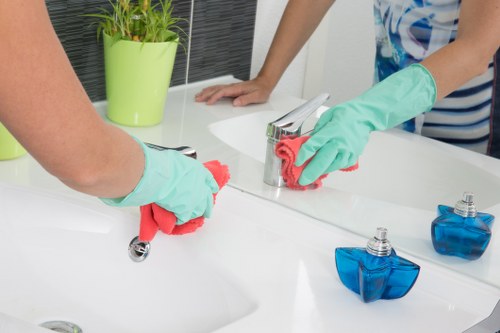
There are several reasons why end of tenancy cleaning matters so much. First, it protects the tenant’s deposit. Most tenancy agreements include a clause that requires the property to be returned in a clean and tidy condition. If the property is not cleaned properly, deductions may be made to cover cleaning or maintenance work.
Second, it helps landlords and letting agents maintain a high standard for incoming tenants. A well-cleaned property feels more welcoming and gives the next resident a fresh start. This is especially important in competitive rental markets where presentation can directly affect how quickly a property is let again.
Third, a thorough move-out cleaning supports good tenant-landlord relationships. When responsibilities are clearly met, both sides are less likely to experience conflict. In short, proper end of tenancy cleaning is not just about appearance; it is about meeting obligations, protecting financial interests, and leaving the property ready for its next chapter.
Common Situations Where a Deep Clean Is Essential
The need for an end of lease cleaning service arises in many situations:
- When a tenant is moving out after a fixed-term contract ends
- When a property is being re-let quickly after vacancy
- After long-term occupancy where dirt and grime have built up
- Before inventory or checkout inspections
- When the property has been occupied by pets or multiple tenants
What End of Tenancy Cleaning Usually Includes

A proper end of tenancy cleaning checklist is far more detailed than a standard weekly clean. It usually includes a full top-to-bottom clean of the property, covering bedrooms, bathrooms, kitchens, living areas, hallways, and any additional rooms such as utility spaces or home offices. Attention to detail is essential because landlords and inventory clerks often inspect even the smallest areas.
In the kitchen, this may involve cleaning the oven, hob, extractor fan, backsplash, sink, taps, cupboards, drawers, fridge, freezer, and worktops. Bathrooms usually require descaling taps and shower screens, scrubbing tiles, disinfecting the toilet, cleaning mirrors, and removing soap residue. Living rooms and bedrooms need dusting, vacuuming, wiping surfaces, and cleaning skirting boards, switches, and doors.
End of tenancy cleaning services may also include internal window cleaning, carpet vacuuming, stain treatment, upholstery cleaning, and removal of limescale, grease, and grime. In some cases, extras such as balcony cleaning, garage cleaning, or external windows may be requested. The aim is always the same: to restore the home as closely as possible to the condition recorded at the start of the tenancy, allowing for fair wear and tear.
Typical End of Tenancy Cleaning Areas
- Kitchen appliances and surfaces
- Bathrooms and sanitary fittings
- Floors, carpets, and rugs
- Doors, handles, and switches
- Windows, frames, and sills
- Skirting boards and shelves
- Light fixtures and vents
How to Prepare for End of Tenancy Cleaning

Preparation makes end of tenancy cleaning much easier and more effective. Before beginning, tenants should remove all personal belongings from the property. This includes furniture, décor, food, toiletries, clothes, and items stored in cupboards or loft spaces. A clean property is much easier to inspect and allows every surface to be reached properly.
It is also a good idea to check the tenancy agreement and inventory report before starting. These documents often explain the cleaning standard expected by the landlord or letting agent. If any items were already marked as damaged or dirty at the beginning of the tenancy, tenants should not be responsible for cleaning or repairing them. Keeping a copy of the original inventory can be very useful during checkout disputes.
Another important step is to gather the right equipment and products. For a DIY end of tenancy clean, people often need multipurpose cleaners, glass cleaner, disinfectant, degreaser, limescale remover, sponges, microfiber cloths, mop, vacuum cleaner, and possibly specialist products for ovens or carpets. Having everything ready before starting saves time and helps the work progress smoothly.
Practical Preparation Tips
- Declutter every room before cleaning starts
- Defrost the freezer if needed
- Unplug appliances for safer access
- Remove limescale and grease early
- Take photos of the property after cleaning
DIY End of Tenancy Cleaning vs Professional Services

Many tenants debate whether to do the cleaning themselves or hire professionals. Both options have benefits, and the best choice depends on budget, time, and the condition of the property. A DIY end of tenancy cleaning approach can save money, especially if the property is already fairly clean and the tenant has access to the right tools. It also gives the tenant full control over the process.
However, professional end of tenancy cleaning services offer a higher level of convenience and consistency. Skilled cleaners know what landlords and agents typically look for during inspections, and they often work from a detailed checklist to ensure nothing is missed. This can be especially helpful for tenants with busy schedules, larger properties, or stubborn cleaning challenges such as heavy grease, limescale, or carpet stains.
From a Google-friendly perspective, many people search for terms like move-out cleaning, rental property cleaning, tenancy deep cleaning, and exit cleaning service. These all relate to the same essential process. Choosing professional help can also reduce stress during an already demanding move, while a DIY route may suit smaller homes or those who have maintained a strong cleaning routine throughout the tenancy.
Advantages of Professional Cleaning
- Saves time during a busy move
- Offers detailed, results-focused cleaning
- Can improve the chance of passing inspection
- Reduces the physical workload on tenants
- Often includes specialist tools and products
End of Tenancy Cleaning Checklist for Every Room
A thorough end of tenancy cleaning checklist helps keep the process organised and prevents important areas from being forgotten. Each room needs special attention because dirt builds up differently depending on how the space is used. The goal is to complete a full deep clean that supports a smooth handover.
Kitchen Cleaning Tasks
The kitchen is usually the most demanding part of the job. Grease, food residue, and limescale often collect quickly, especially around cooking areas and sinks. A proper end of tenancy clean should include:
- Cleaning inside and outside of cupboards
- Degreasing the hob, oven, and extractor fan
- Wiping down worktops and splashbacks
- Cleaning the sink, taps, and drains
- Emptying and wiping fridge and freezer interiors
- Cleaning the dishwasher and other appliances where applicable
Paying attention to hidden areas such as behind the cooker, under the fridge, and inside drawer corners can make a big difference. These are the places landlords often inspect closely.
Bathroom Cleaning Tasks
Bathrooms need deep sanitation and descaling. Hard water marks and soap buildup are common, so the focus should be on hygiene and shine. Tasks usually include scrubbing the toilet, sink, bath, and shower; polishing mirrors and taps; removing mould where possible; and cleaning tiles, grout, and sealant lines.
It is also useful to check extractor fans, towel rails, and storage shelves. Bathrooms must feel fresh, spotless, and odour-free. For many landlords, this room strongly influences their view of the overall property condition.
Living Room and Bedroom Cleaning Tasks
Bedrooms and living areas often appear cleaner than kitchens and bathrooms, but they still require care. Dust tends to gather on skirting boards, radiators, shelves, and light fixtures. Carpets should be vacuumed thoroughly and any marks treated if possible. Curtains, blinds, and upholstery should be checked according to the tenancy agreement.
Windows, frames, and sills should be cleaned inside, and doors should be wiped down to remove fingerprints and dust. A complete end of tenancy cleaning service pays attention to every touchpoint, from door handles to light switches.
How Landlords Benefit from End of Tenancy Cleaning
Landlords have plenty to gain from professional end of tenancy cleaning as well. A well-maintained property is more attractive to new tenants and can reduce void periods between lets. When a property is handed over clean and ready, it creates a positive first impression and supports faster marketing.
Another major benefit is damage prevention. During a deep clean, issues such as mould, limescale, blocked vents, or hidden stains may be noticed earlier. This gives landlords the opportunity to address small problems before they become expensive repairs. Clean properties also make it easier to complete inventory checks accurately and fairly.
For landlords managing multiple properties, using rental property cleaning services can streamline turnaround between tenancies. Rather than spending time coordinating cleaning tasks themselves, they can book a trusted service to restore the property efficiently. In a busy rental market, quick and reliable turnaround is often a major advantage.
Why Landlords Prefer a Clean Handover
- Improves property presentation
- Supports quicker re-letting
- Helps identify maintenance issues sooner
- Creates better inspection results
- Reduces conflict over cleanliness standards
Common Mistakes to Avoid During End of Tenancy Cleaning
Even with the best intentions, people sometimes make mistakes during end of tenancy cleaning. One of the most common is leaving the job too late. Rushing on moving day often leads to missed areas and a less satisfactory result. It is always better to schedule cleaning with enough time to complete it properly and to repeat any areas that need extra work.
Another mistake is focusing only on visible surfaces. Inventory checks often reveal dirt in hidden places such as behind appliances, under sinks, on top of cupboards, and around radiators. A strong move-out cleaning routine should include these neglected areas. It is also important not to forget fixtures, fittings, and ventilation points, which can collect dust over time.
Using the wrong cleaning products is another problem. Harsh chemicals can damage surfaces, while weak products may not remove grease or limescale effectively. Choosing suitable products for the material in each area is essential. For example, delicate surfaces may require gentle cleaners, while ovens and tiles may need stronger solutions.
Other Mistakes That Can Cause Deposit Issues
- Leaving rubbish behind
- Ignoring carpet stains
- Skipping appliance interiors
- Forgetting to clean cupboards and drawers
- Not removing mould or limescale
How End of Tenancy Cleaning Supports a Smooth Move
Moving home can feel overwhelming, but a structured end of tenancy cleaning process helps create order during a chaotic time. Once cleaning is complete, tenants can hand over the property with confidence and move forward without lingering tasks. A clean property is easier to inspect, easier to photograph, and easier to return to the landlord in a respectful condition.
For many people, the emotional side of moving is just as important as the practical side. Cleaning the property thoroughly can provide a sense of closure. It marks the end of one chapter and the start of another. That is why end of tenancy cleaning is often seen as more than a chore; it is part of completing the rental journey responsibly.
It also helps with timing. If the clean is completed before moving day, tenants can focus on transportation, key handover, and settling into the new home. When everything is organised in advance, the entire process feels more manageable and less stressful.
Frequently Asked Questions About End of Tenancy Cleaning
Many tenants and landlords have similar questions about end of tenancy cleaning. Understanding the basics can make decisions easier and reduce misunderstandings.
Is end of tenancy cleaning legally required?
While the law may not always specify a separate cleaning requirement, tenancy agreements often do. In practice, tenants are generally expected to return the property in a clean condition. If the property is left dirty, landlords may use part of the deposit to cover cleaning costs.
Can a landlord insist on professional cleaning?
In many places, tenants cannot be forced to use a specific company, but they may still be required to achieve a professional standard. That means the final result matters more than who does the work. Whether the clean is done personally or by a company, it should meet the agreement terms.
How long does end of tenancy cleaning take?
The time needed depends on the size and condition of the property. A small flat may take a few hours, while a larger house may require a full day or more. Professional end of tenancy cleaning services can often complete the work more efficiently because they work in teams and use specialist equipment.
What if the property is already clean?
Even a tidy property often needs a detailed deep clean before checkout. Routine cleaning usually does not cover cupboards, appliances, tiles, vents, or skirting boards. A proper end of tenancy clean goes much further than everyday tidying.
Choosing the Right End of Tenancy Cleaning Service
If you decide to hire professionals, choosing the right end of tenancy cleaning provider is important. Look for a service that understands rental expectations, uses a clear checklist, and can handle all major areas of the property. Experience with deep cleaning, carpets, ovens, and bathrooms is especially valuable.
It is also helpful to choose a company that is transparent about what is included. Some services offer basic cleaning, while others provide specialist add-ons such as carpet shampooing or appliance detailing. Make sure the package matches the property’s needs. Clear expectations reduce the chance of missed tasks and help you get the best value.
When comparing options, think about flexibility, scheduling, and the level of detail offered. A reliable move-out cleaning service should make the process easier rather than creating extra stress. If you want to save time and improve results, book your service now and secure the clean before your final move date.
What to Look For in a Provider
- Detailed cleaning checklist
- Experience with rental properties
- Flexible booking times
- Specialist stain and grime removal
- Strong focus on deep-clean standards
Final Thoughts on End of Tenancy Cleaning
End of tenancy cleaning is a crucial part of moving out responsibly, protecting your deposit, and leaving a positive final impression. It benefits tenants, landlords, and letting agents alike by ensuring the property is ready for inspection and future occupancy. Whether you clean the property yourself or hire experts, the key is to be thorough, organised, and attentive to detail.
From kitchens and bathrooms to carpets, cupboards, and hidden corners, every area matters. A proper tenancy deep cleaning routine can save time, reduce stress, and improve the overall moving experience. With the right preparation and a clear checklist, it becomes much easier to achieve a high standard.
If you are approaching the end of your rental period, do not leave cleaning until the last minute. Plan ahead, review your agreement, and make sure the property is returned in the best possible condition. For a smoother handover and a cleaner finish, contact us today or book your service now to get started.